Classifier Node gets upgrade and Agent Mode Support in Firecrawl Integration
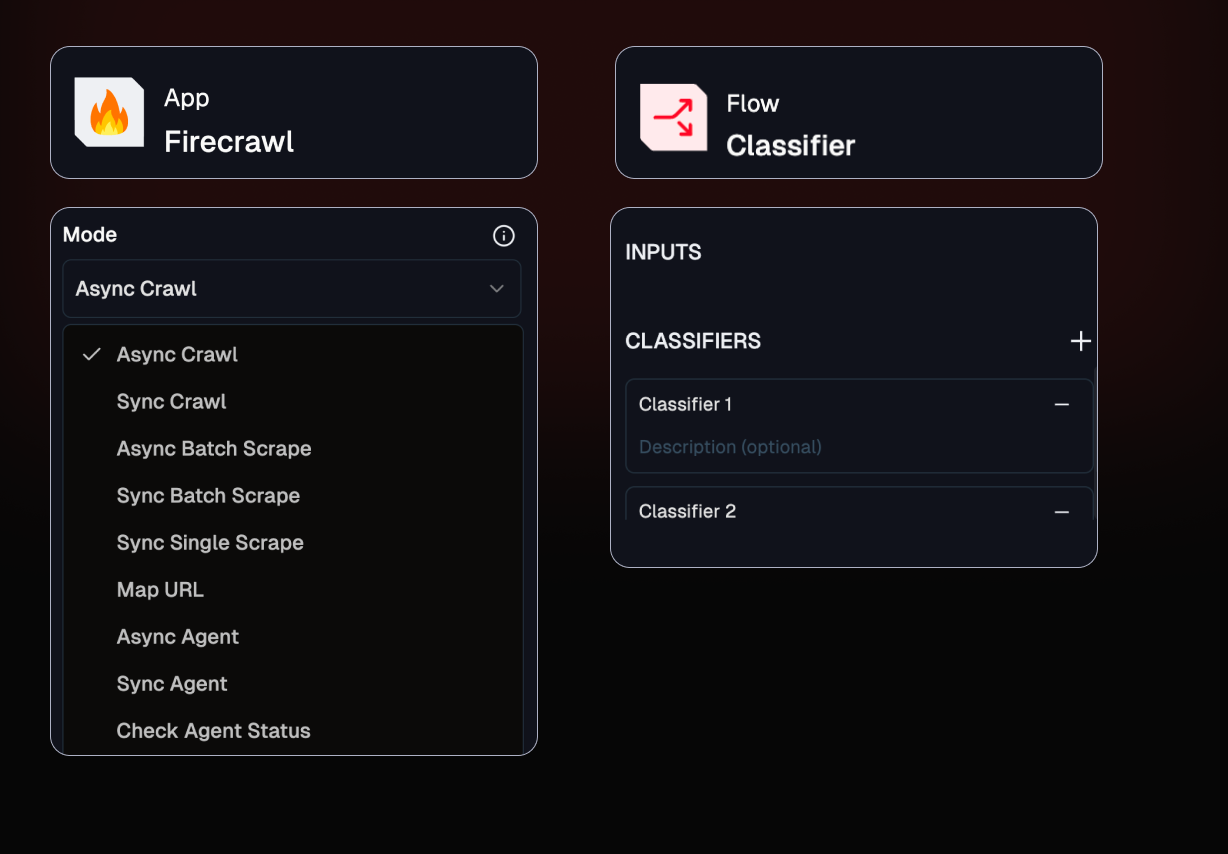
Enhanced flow clarity through Classifier node improvements, and powerful autonomous capabilities with Agent Mode support in the Firecrawl integration
Classifier Node - Better Context, Better Maintainability
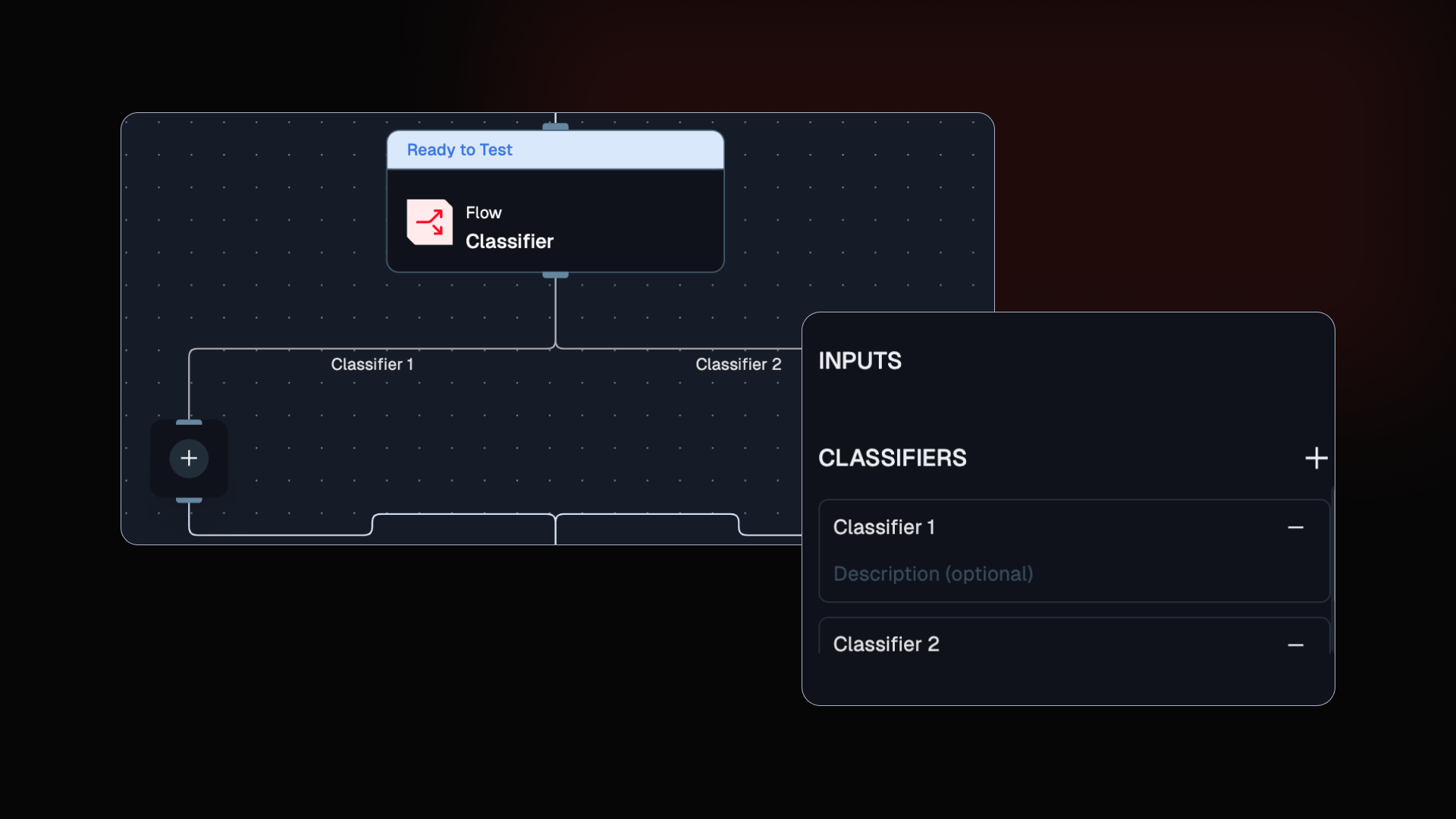
Classifier node now supports optional descriptions in addition to names, making workflows easier to understand and maintain as they scale. A new two-field editor allows you to define both the classifier name and its description, with inline editing available for quick updates. This enhancement solves a common problem in complex and collaborative flows where classifier names alone were not enough to convey intent.
Check the docs: http://lamatic.ai/docs/nodes/ai/classifier-node
Firecrawl Integration - Now with Full Agent Mode
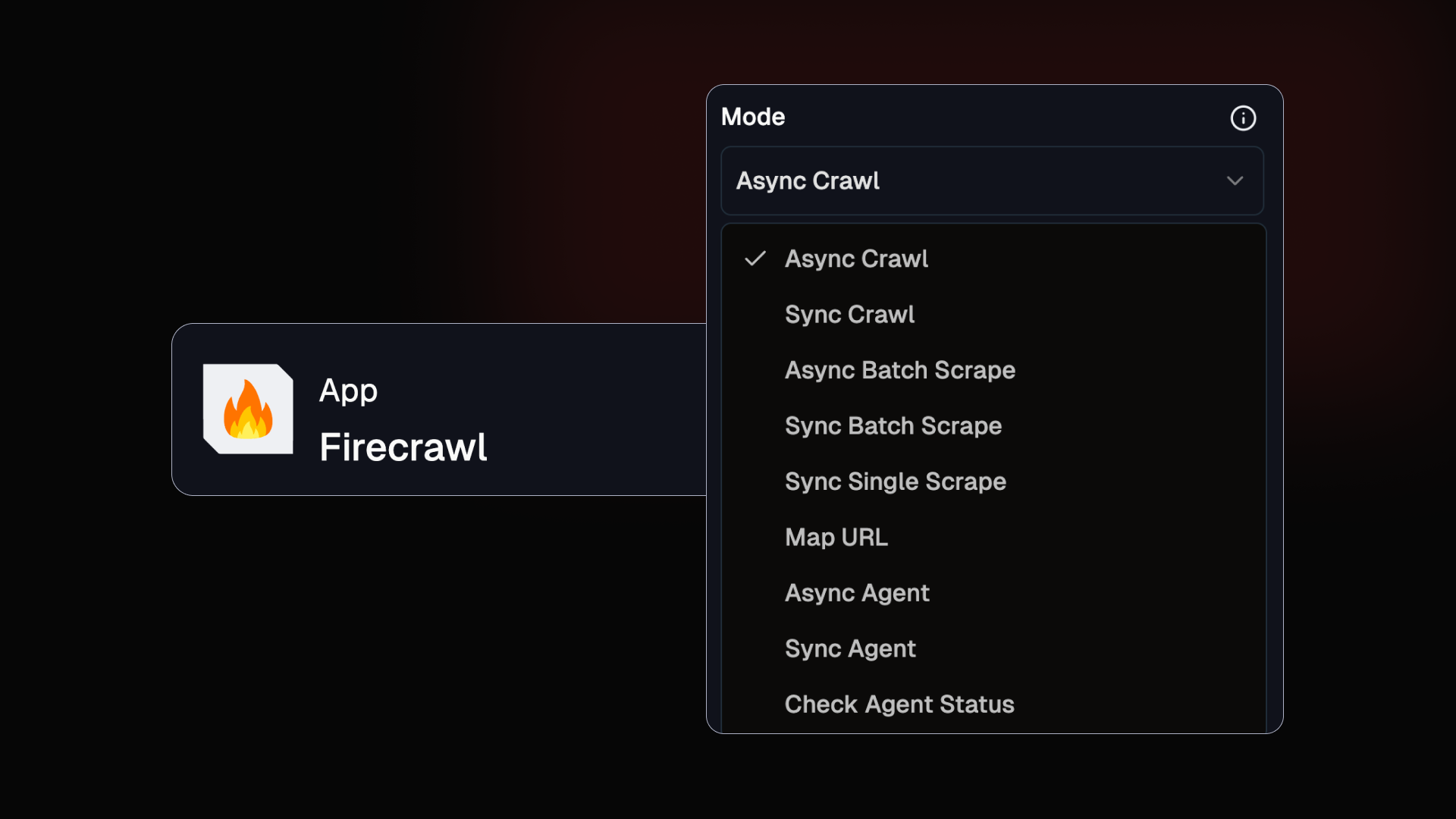
Firecrawl integration has been significantly upgraded with full Agent Mode support, transforming it from a simple scraping tool into a powerful autonomous workflow component. Lamatic now supports three agent execution modes, Async Agent for long-running tasks, Sync Agent for real-time execution, and Check Agent for monitoring agent status.
Prompt definition to precisely control agent tasks
Agent URLs to define allowed crawl or execution targets
Schema enforcement for structured and predictable outputs
Credit limits to control usage and costs
Strict URL constraints to restrict agent scope
This update solves the challenge of managing complex web research and crawling workflows by making them observable, cost-controlled, and production-ready.
Check the doc: https://lamatic.ai/integrations/apps-data-sources/firecrawl
Additional Improvements
Condition nodes now include an “Allow Multiple Condition Execution” option, enabling multi-value condition matching within a single node. The conditional evaluation logic has been improved to support both string and array outputs while maintaining backward compatibility.
Prompt Editor has also been enhanced to correctly render variables inside code blocks, with the variable selector now accessible inside code blocks using {{.