Gmail Integration, DeepInfra Model Support & Improved Flow Editor
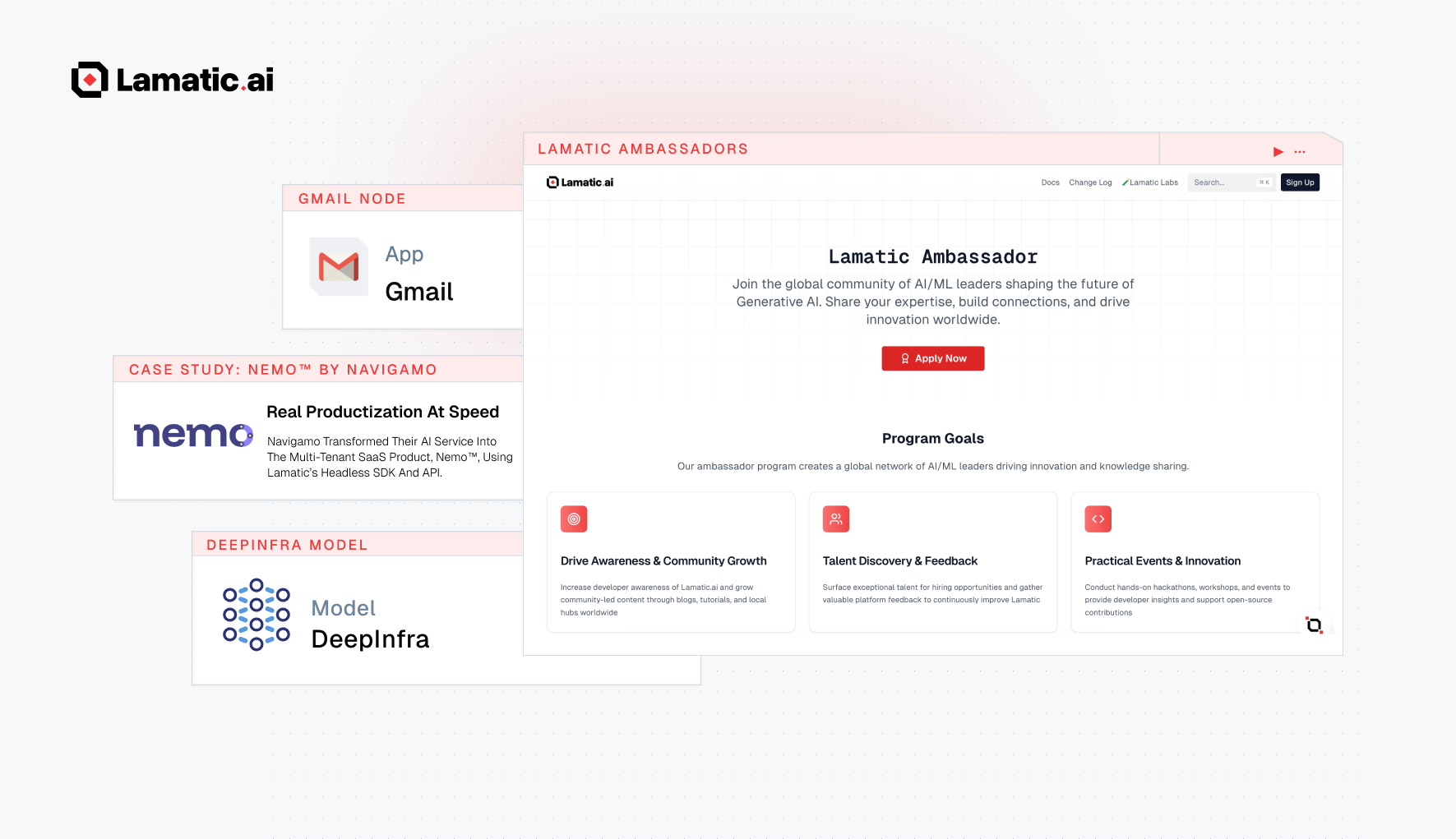
Automate Gmail in your flows, access hundreds of AI models with DeepInfra, and key improvements to the Flow Editor, integrations, and API responses.
Gmail Integration - Agentic <> Email flows
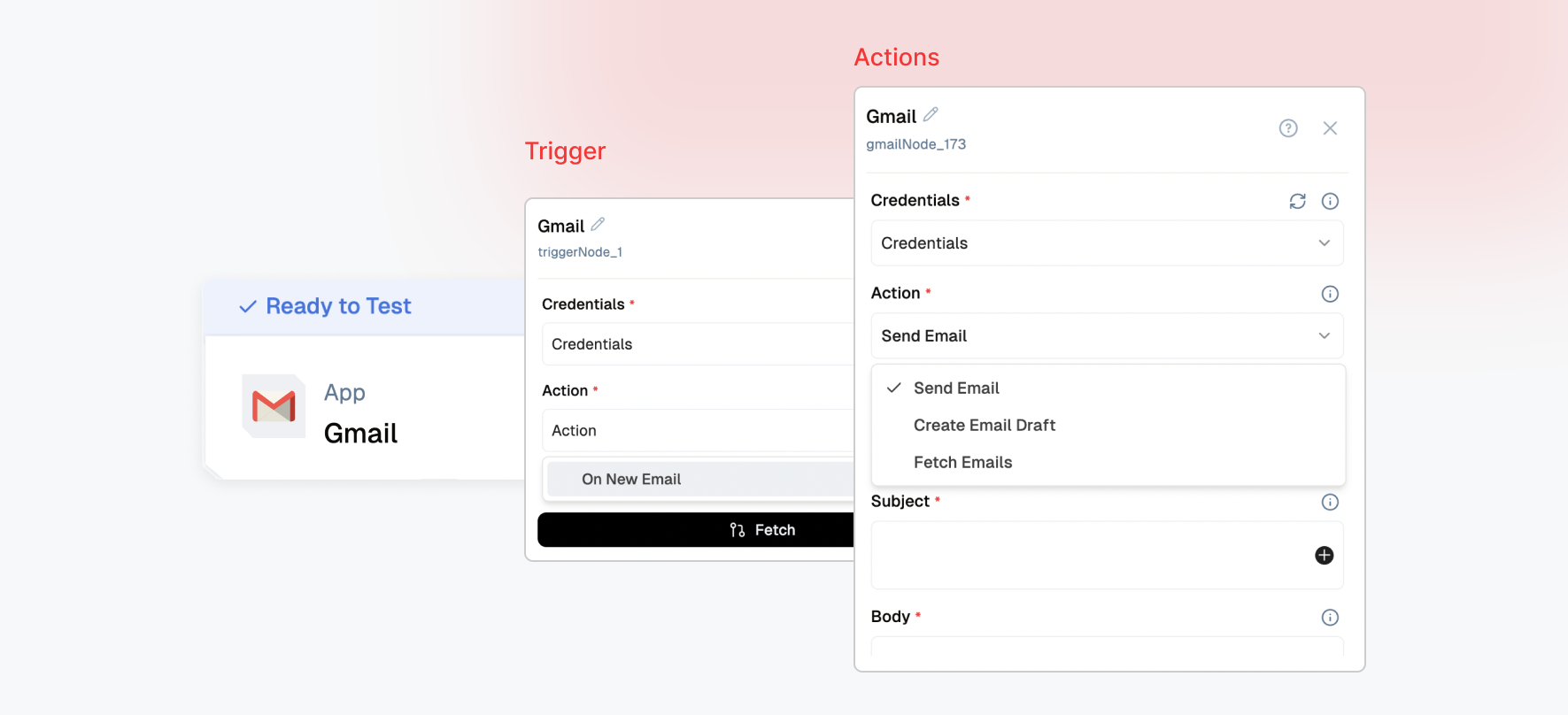
With the new Gmail Node, you can now connect Gmail as both a trigger and an action inside Lamatic. Monitor your inbox, send messages all without leaving your flow.
Why it’s useful:
Trigger – On New Email: Start workflows instantly when new emails arrive
Action – Send Email: Compose and send with custom content, recipients, and attachments
Action – Create Event Draft: Turn email details into ready-to-schedule calendar events
Action – Fetch Email: Pull emails or threads based on advanced search filters
DeepInfra Integration: Access Hundreds of AI Models via One API
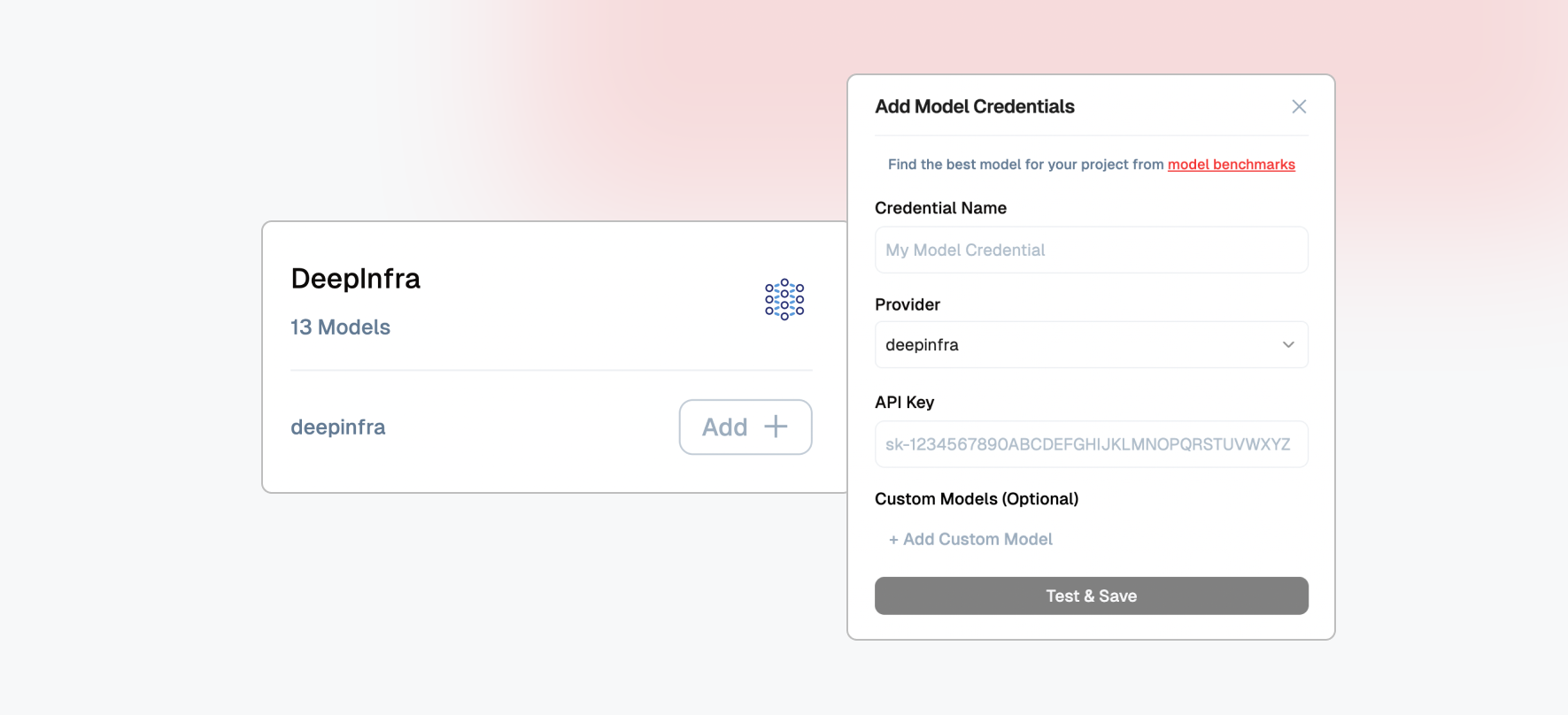
We’ve added support for DeepInfra, making it easy to deploy and serve AI models at scale. Whether you need open-source or proprietary models, DeepInfra gives you cost-effective, high-performance access through a simple API.
Why it’s useful:
Access hundreds of AI models in one place
Get competitive pricing for model inference
Enjoy optimized, high-speed model serving
Scale automatically based on demand
Integrate with minimal code using SDKs and docs
Get started with the docs
Additional Improvement
GraphQL Response Enhancements: GraphQL responses now automatically include Content-Type: application/json AND support asynchronous webhook handling—complete with configurable Webhook URL, private headers, retry logic, and delay—for more versatile automation.
Flow Editor Upgrade: A new minimap (bottom-left) allows pan-and-zoom navigation for quick, intuitive flow editing.
Google Drive Multi-Select: You can now use multiple file path patterns (globs) for flexible file selection.
Smarter File Handling Across Platforms: Default file-picking patterns for OneDrive, S3, and SharePoint are now tuned to common document types—PDF, DOCX, TXT, PPTX, and MD—for cleaner, more targeted operations.